Embark on a journey to master the art of captivating your audience with “How to Create a Compelling YouTube Video Series.” This guide unveils the secrets to crafting engaging video content, from defining your niche and target audience to optimizing your videos for maximum visibility. Learn to transform your ideas into a compelling series that viewers will eagerly anticipate.
This comprehensive Artikel covers everything you need, from initial planning and scripting to the technical aspects of production, promotion, and monetization. Discover how to create a strong brand identity, leverage YouTube’s algorithm, and analyze your performance to continuously improve. Whether you’re a beginner or looking to refine your existing channel, this guide offers actionable steps to create a successful YouTube video series.
Defining Your Video Series’ Niche and Target Audience
Identifying your niche and target audience is the bedrock of a successful YouTube video series. This process helps you create content that resonates with viewers, attract subscribers, and ultimately, grow your channel. Let’s explore how to define your niche, profile your audience, and validate your video series idea.
Potential Niches for a YouTube Video Series
Choosing the right niche is essential for attracting the right audience. Here are three examples:
- Personal Finance: Content could include tutorials on budgeting, investing, debt management, and saving for retirement. The goal is to empower viewers to take control of their finances.
- Vegan Cooking: This niche focuses on plant-based recipes, cooking techniques, and lifestyle tips. The series aims to educate and inspire viewers to adopt a vegan diet.
- DIY Home Improvement: The content would offer step-by-step guides on various home improvement projects, from painting and furniture assembly to more complex tasks like installing shelves or repairing plumbing. The aim is to help viewers improve their homes and save money.
Detailed Profile of a Target Audience: Vegan Cooking
Let’s delve into a detailed profile of a target audience for a Vegan Cooking series.
Demographics:
- Age: Primarily 25-45 years old, with a secondary audience of 18-24 year olds. This range reflects individuals interested in health, sustainability, and ethical eating habits, often with more disposable income.
- Location: Urban and suburban areas in North America, Western Europe, and Australia, where veganism is more prevalent.
- Gender: Slightly skewed towards females, but with a significant and growing male audience interested in health and wellness.
- Education: Often college-educated or with some form of higher education, indicating a greater awareness of health and environmental issues.
- Income: Middle to upper-middle class, with a willingness to spend on organic ingredients and kitchen equipment.
Interests:
- Health and Wellness: A strong interest in overall well-being, including physical and mental health.
- Sustainability: Concerns about the environmental impact of food production and a desire to reduce their carbon footprint.
- Ethical Consumption: A commitment to animal welfare and a desire to support businesses that align with their values.
- Cooking and Food: A passion for trying new recipes, exploring different cuisines, and experimenting with ingredients.
- Travel: Interest in exploring different cultures and cuisines, often seeking out vegan-friendly restaurants and destinations.
Pain Points:
- Limited Recipe Availability: Difficulty finding delicious and easy-to-follow vegan recipes.
- Nutritional Concerns: Worries about getting enough protein, iron, and other essential nutrients on a vegan diet.
- Social Challenges: Difficulty navigating social situations where vegan options are limited.
- Time Constraints: Finding the time to cook healthy vegan meals, especially with busy schedules.
- Lack of Knowledge: Uncertainty about ingredients, cooking techniques, and how to substitute non-vegan ingredients.
Researching and Validating Demand for a Video Series
Validating your video series idea ensures that there is an audience for your content.
Research:
Use tools like Google Planner, TubeBuddy, or VidIQ to research s related to your niche. Identify search terms with high search volume and low competition. For example, for a vegan cooking series, you might search for “vegan recipes for beginners,” “easy vegan meal prep,” or “vegan protein sources.”
Aim for s that are specific, relevant, and have a reasonable search volume.
Competitor Analysis:
Analyze existing YouTube channels in your niche. Identify what content is performing well, the types of videos being created, and the engagement levels (likes, comments, shares). Look for gaps in the market or opportunities to offer a unique perspective. Consider the successful “Pick Up Limes” channel; their focus on accessible vegan recipes and lifestyle content has built a strong audience.
Audience Surveys and Polls:
Use social media platforms or online survey tools to gather feedback from potential viewers. Ask questions about their interests, pain points, and what kind of content they would like to see. Create polls on platforms like YouTube’s Community tab or Twitter to gauge interest in specific topics. For instance, ask “What type of vegan recipes are you most interested in learning?” and offer options like “Quick weeknight meals,” “Desserts,” “Meal prep,” etc.
Google Trends:
Use Google Trends to analyze the search interest for specific s over time. This helps determine if interest in your niche is growing, stable, or declining. For example, a search for “vegan recipes” might show a consistent level of interest, indicating a sustainable niche.
Planning and Structuring Your Video Series
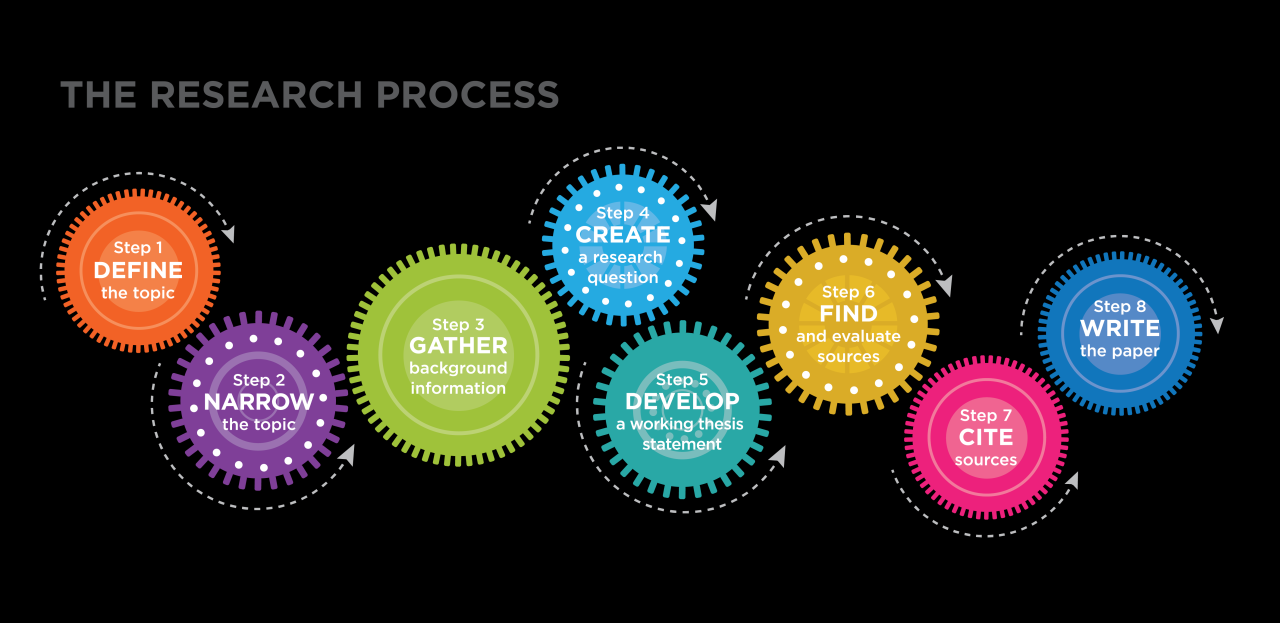
Creating a successful YouTube video series requires careful planning and structure. This includes outlining your episodes, organizing content within each video, and establishing a consistent release schedule. A well-structured series keeps viewers engaged and encourages them to subscribe and watch future content. This section will guide you through the process of developing a robust plan for your video series.
Episode Artikels for a Five-Episode Series
Developing detailed Artikels is crucial for a cohesive and engaging video series. Each episode should have a clear focus, a defined structure, and a compelling hook to capture viewers’ attention. The following Artikels provide a template for a five-episode series focused on “Effective Time Management Techniques.”
- Episode 1: Setting Goals and Prioritizing Tasks
- Defining SMART Goals (Specific, Measurable, Achievable, Relevant, Time-bound).
- Identifying Priorities using the Eisenhower Matrix (Urgent/Important).
- Breaking Down Large Tasks into Smaller, Manageable Steps.
- Tools and Templates for Goal Setting and Task Management (e.g., to-do lists, project management software).
- Episode 2: Time Blocking and Scheduling
- Understanding the Principles of Time Blocking.
- Creating a Time-Blocked Schedule (examples and templates).
- Allocating Time for Different Types of Activities (work, personal, breaks).
- Dealing with Schedule Disruptions and Flexibility.
- Episode 3: Eliminating Time Wasters and Procrastination
- Identifying Common Time Wasters (social media, email, meetings).
- Strategies for Minimizing Distractions (website blockers, notification management).
- Understanding the Psychology of Procrastination.
- Techniques for Overcoming Procrastination (e.g., Pomodoro Technique, task initiation).
- Episode 4: Effective Delegation and Outsourcing
- Identifying Tasks Suitable for Delegation.
- The Benefits of Delegation and Outsourcing.
- Effective Delegation Strategies (clear instructions, feedback).
- Outsourcing Options (freelancers, virtual assistants).
- Episode 5: Reviewing and Optimizing Your Time Management System
- Regularly Reviewing Your Schedule and Goals.
- Identifying Areas for Improvement.
- Adapting Your Time Management System to Changing Priorities.
- Using Feedback and Data to Optimize Your Time Management.
Description: This episode introduces the fundamentals of time management, focusing on goal setting and prioritizing tasks effectively. It lays the groundwork for the techniques presented in subsequent episodes.
Key Topics:
Description: This episode explores the concept of time blocking and its benefits for structured scheduling. Viewers learn how to allocate specific time slots for various activities to maximize productivity.
Key Topics:
Description: This episode addresses common time-wasting activities and strategies to overcome procrastination. It focuses on identifying and minimizing distractions to improve focus and productivity.
Key Topics:
Description: This episode focuses on the importance of delegation and outsourcing to free up time and focus on high-priority tasks. It explores the benefits and methods of delegating tasks effectively.
Key Topics:
Description: This episode emphasizes the importance of regularly reviewing and optimizing your time management system. It provides strategies for continuous improvement and adapting to changing priorities.
Key Topics:
Organizing Content for Viewer Engagement
Organizing content effectively is crucial for maintaining viewer engagement throughout each episode. A well-structured video ensures that information is presented in a clear, concise, and engaging manner. Consider these elements:
- Introduction: Start with a captivating hook, a brief overview of the episode’s topic, and the episode’s objectives.
- Body: Break down the content into logical sections with clear headings and subheadings. Use visuals, such as graphics and screen recordings, to illustrate key points. Include real-life examples, case studies, or anecdotes to make the information relatable.
- Pacing: Vary the pace of the video by incorporating different types of content, such as animated graphics, interviews, or demonstrations. Maintain a balance between information delivery and visual engagement.
- Call to Action: Encourage viewers to take specific actions, such as subscribing to your channel, liking the video, leaving a comment, or visiting a website.
- Conclusion: Summarize the key takeaways and provide a clear call to action.
Designing a Content Calendar for Video Releases
A content calendar is a crucial tool for scheduling video releases and managing the production timeline. It helps maintain consistency and ensures that videos are released on a regular schedule, keeping viewers engaged. The following steps help create an effective content calendar:
- Define Your Release Schedule: Determine the frequency of your video releases (e.g., weekly, bi-weekly). Choose a consistent day and time for each release to build audience expectations.
- Plan Video Production: Estimate the time required for each stage of video production, including research, scriptwriting, filming, editing, and promotion.
- Set Deadlines: Assign deadlines for each stage of production to keep the project on track.
- Use a Calendar Tool: Use a digital calendar (e.g., Google Calendar, Trello, or a spreadsheet) to track video release dates and production milestones.
- Promote Your Videos: Plan your promotion strategy. Consider using social media, email newsletters, and other platforms to announce and promote each video release.
For example, if you plan to release videos weekly, your content calendar might look like this:
Example Content Calendar
Week 1:
Monday: Research and Scriptwriting (Episode 1)
Tuesday: Filming (Episode 1)
Wednesday: Editing (Episode 1)
Thursday: Promotion (Episode 1), Research and Scriptwriting (Episode 2)
Friday: Filming (Episode 2)
Sunday: Episode 1 Release, Editing (Episode 2)
Week 2:
Monday: Promotion (Episode 2), Research and Scriptwriting (Episode 3)
Tuesday: Filming (Episode 3)
Wednesday: Editing (Episode 3)
Thursday: Promotion (Episode 3), Research and Scriptwriting (Episode 4)
Friday: Filming (Episode 4)
Sunday: Episode 2 Release, Editing (Episode 4)
This is a simplified example. Adapt the schedule to your specific needs and resources.
Scripting and Storyboarding for Engaging Content

Creating a captivating YouTube video series requires more than just a good idea; it demands a well-crafted script and a visually appealing storyboard. These elements are crucial for maintaining viewer engagement and ensuring your message resonates effectively. A strong script provides the foundation for clear communication, while storyboards help visualize the final product, streamlining the production process and ensuring a consistent visual style.
Crafting Compelling Opening and Closing Segments
The opening and closing segments of your YouTube videos are prime real estate. They determine whether a viewer decides to watch the rest of the video and whether they’ll remember it later. A strong opening immediately grabs attention, while a compelling closing leaves a lasting impression and encourages viewers to take action.
- Opening Segment Essentials: The opening should hook viewers within the first few seconds.
- Intriguing Hook: Start with a captivating statement, question, or visual that immediately piques interest. For example, instead of a generic introduction, start with a surprising statistic related to your video’s topic.
- Value Proposition: Clearly state the benefit viewers will gain by watching the video. What problem will you solve? What knowledge will they acquire?
- Brief Overview: Provide a concise summary of what the video will cover. This sets expectations and helps viewers decide if the content aligns with their interests.
- Call to Action (Subtle): Hint at the end-of-video call to action. “By the end of this video, you’ll know…” subtly prepares viewers for the final ask.
- Closing Segment Essentials: The closing reinforces your message and encourages further engagement.
- Recap Key Takeaways: Briefly summarize the main points discussed in the video. This reinforces learning and helps viewers retain information.
- Call to Action (Clear and Specific): Tell viewers exactly what you want them to do. This could be subscribing, liking the video, leaving a comment, visiting a website, or watching another video in the series.
- End Screen Elements: Utilize YouTube’s end screens to display clickable links to other videos, playlists, and your channel’s subscription button.
- Thank You and Gratitude: Express appreciation for the viewers’ time and engagement. This fosters a positive connection.
Developing Scripts for Two Different Episodes
Let’s create scripts for two different episodes, demonstrating how to use storytelling and incorporate clear calls to action.
Episode 1: “Beginner’s Guide to Baking Bread”
Opening Segment:“Ever dreamt of the smell of freshly baked bread filling your kitchen? (Intriguing Hook – Visual: Close-up shot of a golden loaf being sliced). In this video, we’ll transform you from a bread-baking novice into a confident home baker! (Value Proposition). We’ll cover essential ingredients, simple techniques, and troubleshooting tips to help you bake perfect loaves every time.
(Overview). By the end, you’ll be enjoying homemade bread and sharing it with your friends and family. (Subtle Call to Action).”
Script Excerpt (Mid-Video):“Now, let’s talk about the most crucial ingredient: flour. (Transition to a shot of different types of flour). The type of flour you choose significantly impacts the bread’s texture and rise.
All-purpose flour is a good starting point, but for a chewier crust, try bread flour, which has a higher protein content. (Show a close-up of flour being measured). Measure your flour accurately using a kitchen scale for the best results. (Demonstrate using a scale).”
Closing Segment:“So, there you have it: the basics of baking bread! (Recap). We covered essential ingredients, simple techniques, and how to avoid common mistakes.
(Key Takeaways). Ready to start baking? (Call to Action). Click the subscribe button below to get notified of new videos. And, if you have any questions, leave a comment below, and I’ll do my best to answer them.
(Further Engagement). Thanks for watching, and happy baking! (Gratitude).”
Episode 2: “Top 5 Productivity Hacks for Students”
Opening Segment:“Feeling overwhelmed by endless assignments and deadlines? (Intriguing Hook – Visual: Fast-paced montage of a student looking stressed). In this video, I’ll share my top 5 productivity hacks to help you conquer your studies and reclaim your time! (Value Proposition). We’ll explore time management, note-taking strategies, and effective study techniques.
(Overview). By the end, you’ll have a toolkit of practical strategies to boost your productivity and achieve your academic goals. (Subtle Call to Action).”
Script Excerpt (Mid-Video):“Hack number 3: The Pomodoro Technique. (Transition to a graphic explaining the Pomodoro Technique: 25 minutes of focused work, followed by a 5-minute break). This technique involves working in focused 25-minute intervals, followed by short breaks.
(Show a timer counting down). This helps you stay focused and avoid burnout. (Show a student working diligently for 25 minutes, then taking a short break).”
Closing Segment:“So there you have it: five powerful productivity hacks to transform your study habits! (Recap). Remember to experiment with these techniques to find what works best for you. (Key Takeaways).
Now, go implement these hacks and start seeing results! (Call to Action). Don’t forget to like this video, subscribe for more study tips, and share it with your friends! (Further Engagement). Thanks for watching! (Gratitude).”
Demonstrating the Process of Creating Storyboards
Storyboards are visual representations of your video, outlining the key scenes, camera angles, and transitions. They help you plan your shoot, ensuring visual consistency and a smooth flow.
Storyboard Example: “Beginner’s Guide to Baking Bread” (Illustrative)
Scene 1:* Description: Opening shot – Close-up of a hand slicing a golden-brown loaf of bread. Steam rising.
Camera Angle
Close-up
Visual
A hand with a bread knife slicing through a freshly baked loaf of bread, revealing the soft interior. Steam is visible.
Text
“Ever dreamt of the smell of freshly baked bread filling your kitchen?”
Scene 2:* Description: Wide shot of the baker standing in the kitchen.
Camera Angle
Medium shot
Visual
The baker smiling and looking directly at the camera. Kitchen environment is clean and well-lit.
Text
“In this video, we’ll transform you from a bread-baking novice into a confident home baker!”
Scene 3:* Description: Close-up of different types of flour in glass jars.
Camera Angle
Close-up
Visual
Three glass jars filled with different types of flour (all-purpose, bread, and whole wheat), each clearly labeled.
Text
“The type of flour you choose significantly impacts the bread’s texture and rise.”
Scene 4:* Description: The baker is measuring flour with a kitchen scale.
Camera Angle
Medium shot, over-the-shoulder
Visual
The baker carefully measuring flour using a digital kitchen scale, showing the accurate weight.
Text
“Measure your flour accurately using a kitchen scale for the best results.”
Scene 5:* Description: The finished bread, sliced and ready to be served.
Camera Angle
Close-up
Visual
A close-up shot of a slice of bread, showing the interior texture and crust.
Text
“Thanks for watching, and happy baking!”
The storyboard serves as a visual roadmap. Each scene is depicted with basic sketches or descriptions, detailing the camera angles, shot types, and any text overlays. This helps the creator to visualize the video before filming, saving time and ensuring a cohesive final product. Using a storyboard allows for pre-production adjustments, ensuring a professional-looking video.
Promoting Your Video Series
Promoting your YouTube video series is crucial for reaching your target audience and growing your viewership. A well-executed promotion strategy increases visibility, drives engagement, and ultimately, helps you achieve your content goals. Effective promotion extends beyond YouTube itself, utilizing various platforms and strategies to maximize your reach.
Social Media Promotion Strategies
Social media is a powerful tool for promoting your video series. Different platforms cater to different audiences, so tailoring your approach is key.
- Platform-Specific Content: Create content that’s native to each platform. For example, on Twitter (now X), share concise updates and engaging snippets. On Instagram, use visually appealing images and short video clips to capture attention. On Facebook, share longer-form posts with more detailed descriptions and links to your videos.
- Consistent Posting Schedule: Maintain a consistent posting schedule across all platforms. This helps keep your audience engaged and reminds them of your new content. Use scheduling tools to automate posts and save time.
- Hashtag Research and Usage: Research relevant hashtags for your niche and incorporate them into your posts. Hashtags increase the discoverability of your content, allowing users to find your videos through their interests. Mix popular and niche-specific hashtags.
- Cross-Promotion: Promote your video series on all your social media channels. Share links to your YouTube channel and individual videos. Encourage followers to subscribe and turn on notifications.
- Paid Advertising: Consider running paid advertising campaigns on social media platforms to reach a wider audience. Target your ads based on demographics, interests, and behaviors to ensure they reach the right people. For example, Facebook and Instagram allow detailed audience targeting, allowing you to target users interested in specific topics related to your video series.
- Collaborations: Collaborate with other YouTubers or influencers in your niche to cross-promote each other’s content. This exposes your video series to a new audience and provides social proof.
Engaging with Viewers and Building Community
Building a strong community around your video series is essential for long-term success. Active engagement fosters loyalty and encourages viewers to return for more.
- Respond to Comments: Make it a habit to respond to comments on your videos. Acknowledge viewers’ feedback, answer their questions, and thank them for their support. This shows that you value their input.
- Ask Questions: Pose questions to your viewers in the comments section or at the end of your videos to encourage discussion. This fosters interaction and helps you understand their interests. For instance, ask “What topic should I cover next?” or “What did you think of this episode?”.
- Create Polls and Surveys: Use YouTube’s community features or external tools to create polls and surveys. This provides viewers with a way to participate and share their opinions. This can also provide valuable insights into your audience’s preferences.
- Host Live Streams: Host live streams to interact with your audience in real-time. Answer their questions, discuss your videos, and build a personal connection. Live streams can also be a great way to promote upcoming content.
- Run Contests and Giveaways: Organize contests and giveaways to reward your loyal viewers and attract new subscribers. This can incentivize engagement and increase your channel’s visibility. For example, offer a prize to a viewer who shares your video or leaves the most insightful comment.
- Moderate Comments: Actively moderate the comments section to maintain a positive and respectful environment. Delete inappropriate comments and ban users who violate your community guidelines.
Leveraging YouTube Analytics for Performance Improvement
YouTube Analytics provides valuable data that can help you track the performance of your video series and make data-driven improvements.
- Overview of Key Metrics: YouTube Analytics provides an overview of key metrics, including views, watch time, subscribers, and engagement. These metrics provide a snapshot of your channel’s overall performance.
- Watch Time Analysis: Analyze your videos’ watch time to identify which content is most engaging. Look for patterns in viewer retention and identify areas where viewers are dropping off. This information can help you refine your content strategy. For instance, if a particular segment consistently loses viewers, consider shortening or revising it.
- Traffic Source Analysis: Identify the sources of your traffic, such as YouTube search, suggested videos, external websites, and social media. Understanding your traffic sources helps you focus your promotion efforts. If a significant portion of your traffic comes from social media, consider investing more time in promoting your videos on those platforms.
- Audience Demographics: Analyze your audience demographics, including age, gender, location, and interests. This information helps you tailor your content to your target audience. Knowing your audience’s location, for example, can help you optimize your video titles and descriptions for relevant s in their language.
- Real-time Reports: Use real-time reports to monitor the performance of your videos shortly after they are published. This allows you to identify any immediate issues and make adjustments as needed.
- A/B Testing: Experiment with different video titles, thumbnails, and descriptions to see which ones perform best. A/B testing helps you optimize your videos for clicks and views. For example, test two different thumbnail designs for a week and compare their click-through rates.
- Continuous Improvement: Use the insights from YouTube Analytics to continuously improve your video series. Experiment with different content formats, optimize your videos for search, and engage with your audience to refine your strategy.
Incorporating Visual and Audio Elements

Enhancing your YouTube video series with well-chosen visual and audio elements is crucial for captivating your audience and conveying your message effectively. These elements work together to create a more immersive and memorable viewing experience, boosting engagement and leaving a lasting impression. Thoughtful selection and implementation of these components can elevate your videos from informative to truly engaging.
Selecting Background Music and Sound Effects
Choosing the right audio components can dramatically impact your video’s tone and emotional impact. The music and sound effects you select should complement your content and enhance the viewer’s experience, rather than distracting them.
- Background Music Selection: Carefully consider the mood and message of your video. Upbeat music works well for tutorials or energetic content, while more subtle and ambient tracks are better suited for intros, outros, or videos with a more serious tone.
For example, if your video is about a calming meditation technique, using music with nature sounds or instrumental tracks would be ideal. Conversely, a video about a fast-paced product demonstration would benefit from more energetic music.
- Licensing and Royalty-Free Options: Always ensure you have the necessary rights to use the music you select. Using copyrighted music without permission can lead to copyright strikes and potential demonetization of your video. Explore royalty-free music libraries, which offer a wide variety of tracks for commercial use, often for a one-time fee or through a subscription. Some popular options include Epidemic Sound, Artlist, and YouTube’s Audio Library.
- Sound Effects Usage: Sound effects add another layer of engagement and realism. Use them to punctuate key moments, transitions, or to emphasize actions or events. Be mindful of the volume and frequency of sound effects; they should complement the content without overwhelming the viewer.
For instance, a “whoosh” sound effect can be used during a transition between scenes, or a “ding” sound effect to indicate a successful action.
- Audio Mixing and Volume Levels: Proper audio mixing is essential. Ensure the background music and sound effects are balanced appropriately with the narration or any on-screen dialogue. The narration should always be the most audible element, with music and sound effects supporting the overall message. Use audio editing software to adjust the volume levels and create a professional-sounding mix.
Incorporating Stock Footage and Original Footage
Visual variety is key to keeping viewers engaged. Stock footage and original footage can add depth and interest to your videos, supplementing your main content and providing visual context.
- Stock Footage Advantages: Stock footage can be a cost-effective way to add professional-looking visuals. It’s particularly useful for illustrating concepts, showing locations, or providing B-roll footage that complements your narration. When selecting stock footage, choose clips that are relevant to your content and high-quality to avoid a cheap or unprofessional appearance.
For example, if you are creating a video about traveling to Paris, stock footage of the Eiffel Tower or the Louvre Museum can instantly set the scene.
- Original Footage Benefits: Original footage provides authenticity and a personal touch. It allows you to showcase your personality, expertise, and unique perspective. Record your own footage to illustrate specific points, demonstrate processes, or provide behind-the-scenes glimpses.
If your video is a cooking tutorial, original footage of you preparing the meal is essential.
- Blending Stock and Original Footage: A well-executed video often combines both stock and original footage. Use original footage to highlight the core message and stock footage to add context, visual interest, and fill in gaps. The key is to seamlessly blend the two, ensuring they complement each other and create a cohesive narrative.
- Video Editing Techniques: Use video editing software to incorporate stock footage and original footage effectively. Employ techniques like cuts, transitions, and overlays to integrate these elements smoothly. Consider using split screens or picture-in-picture effects to showcase multiple visuals simultaneously.
If discussing a specific statistic, show the statistic on screen and then use a picture-in-picture to add a relevant stock footage clip.
Effectively Using B-Roll Footage
B-roll footage is secondary footage that supplements your primary footage (typically your talking head or main subject). It is used to add visual interest, provide context, and keep the viewer engaged by breaking up the monotony of a single static shot.
- Defining B-Roll’s Purpose: B-roll should support and enhance the main message of your video. It should be relevant to the topic and used to illustrate points, provide context, or simply add visual variety. Avoid using B-roll that is irrelevant or distracting.
- Planning and Gathering B-Roll: Before filming, plan what B-roll you need. Think about what visuals would best illustrate your points. Consider filming additional footage during your primary shoots or gathering stock footage that aligns with your needs.
For example, if your video is about building a birdhouse, your B-roll could include close-ups of the wood, tools being used, and the finished birdhouse.
- B-Roll Implementation Examples: Here are a few examples of how to use B-roll effectively:
- To Illustrate a Process: If explaining a step-by-step process, use B-roll to show the steps visually. This helps the audience understand and follow along more easily.
- To Provide Context: If you are talking about a specific location or product, use B-roll to show that location or product in action.
- To Break Up Talking Head Footage: Regularly intersperse B-roll footage with your talking head shots to keep the video visually interesting and prevent viewer fatigue.
- Editing B-Roll: When editing, ensure your B-roll footage is properly timed and synced with your narration. Use smooth transitions and avoid jarring cuts. Make sure the B-roll enhances the narrative and does not detract from the main message.
Monetization Strategies
Generating revenue from your YouTube video series is a crucial aspect of turning your passion into a sustainable venture. Understanding the various monetization options and strategically implementing them can significantly boost your earnings. This section Artikels the eligibility requirements for YouTube’s Partner Program and explores various methods for generating revenue.
Eligibility for YouTube’s Partner Program
Before you can monetize your videos, you must meet specific criteria to join the YouTube Partner Program (YPP). Meeting these requirements is the first step towards earning money on the platform.
- Adherence to YouTube’s Monetization Policies: You must comply with all of YouTube’s monetization policies, which cover a wide range of guidelines, including content guidelines, ad suitability guidelines, and community guidelines. This ensures your content is appropriate for advertisers and the YouTube community.
- Compliance with YouTube’s Community Guidelines: Your channel must follow YouTube’s Community Guidelines, which prohibit harmful or inappropriate content. Violations can lead to demonetization or channel termination.
- Living in an Eligible Country or Region: The YPP is available in many countries and regions, but not all. Check YouTube’s official list of eligible countries to ensure your location qualifies.
- Having at least 1,000 subscribers: This demonstrates a baseline level of audience engagement and channel popularity.
- Accumulating 4,000 valid public watch hours in the past 12 months: This signifies that viewers are actively watching your content, which is a key metric for advertisers.
- Having an AdSense account linked to your channel: This is the platform YouTube uses to pay creators. You’ll need to create an AdSense account and link it to your YouTube channel.
Generating Revenue Through Ads
Advertising is the most common monetization method on YouTube. Understanding how ads work and optimizing your videos for ad revenue is essential.
- Ad Formats: YouTube offers various ad formats, including:
- Display ads: These appear to the right of the video player.
- Overlay ads: These appear on the lower portion of the video player.
- Skippable video ads: Viewers can skip these ads after 5 seconds.
- Non-skippable video ads: Viewers must watch these ads before the video begins.
- Bumper ads: These are short, non-skippable ads (up to 6 seconds).
- Mid-roll ads: These can be placed within longer videos (8 minutes or more).
- Ad Revenue Calculation: The amount you earn from ads depends on several factors, including:
- Cost-per-click (CPC): The amount advertisers pay each time a viewer clicks on an ad.
- Cost-per-mille (CPM): The amount advertisers pay per 1,000 views.
- Ad format: Different ad formats have different CPMs.
- Audience demographics: Advertisers often pay more for ads shown to certain demographics.
- Content type: Some content categories attract higher CPMs.
- Optimizing for Ad Revenue: To maximize ad revenue, consider the following:
- Create high-quality content: Engaging content keeps viewers watching, leading to more ad impressions.
- Choose appropriate ad placements: For videos longer than 8 minutes, strategically place mid-roll ads. Avoid overdoing it, as too many ads can negatively impact the viewer experience.
- Understand audience demographics: Knowing your audience helps you create content that attracts advertisers.
- Use relevant s: s help YouTube understand your video’s content and match it with relevant ads.
Generating Revenue Through Sponsorships
Sponsorships involve partnering with brands to promote their products or services within your videos. This can be a lucrative revenue stream, particularly for channels with a dedicated audience.
- Finding Sponsorships:
- Direct outreach: Contact brands that align with your niche and audience. Prepare a media kit showcasing your channel’s stats and audience demographics.
- Sponsorship platforms: Use platforms that connect creators with brands. These platforms often handle negotiations and payment.
- Build a strong brand: Develop a strong brand identity to attract potential sponsors.
- Types of Sponsorships:
- Product placement: Feature a product in your video.
- Sponsored reviews: Review a product or service in exchange for payment.
- Dedicated sponsorship videos: Create a video solely dedicated to promoting a sponsor’s product or service.
- Transparency and Disclosure:
- Follow FTC guidelines: Always disclose sponsored content to your audience. Use clear language, such as “This video is sponsored by [Brand Name]”.
- Be authentic: Only partner with brands you genuinely believe in.
- Negotiating Sponsorship Deals:
- Know your worth: Research industry standards and set your rates based on your audience size, engagement rates, and niche.
- Negotiate terms: Discuss the scope of the sponsorship, deliverables, payment schedule, and exclusivity.
Generating Revenue Through Merchandise
Selling merchandise allows you to create a direct connection with your audience and generate additional revenue.
- Types of Merchandise:
- Clothing: T-shirts, hoodies, hats, etc., featuring your channel’s logo, catchphrases, or designs.
- Accessories: Stickers, phone cases, mugs, etc.
- Physical products related to your niche: If you’re a gaming channel, sell branded gaming accessories. If you’re a cooking channel, sell aprons or cookbooks.
- Digital products: Ebooks, online courses, digital downloads, etc.
- Merchandise Platforms:
- YouTube’s Merchandise Shelf: This allows you to sell merchandise directly on your channel page.
- Print-on-demand services: These services handle the production and shipping of your merchandise.
- E-commerce platforms: Create your own online store using platforms like Shopify or Etsy.
- Designing Merchandise:
- Create appealing designs: Make sure your designs are visually appealing and reflect your channel’s brand.
- Consider your audience: Choose merchandise that appeals to your target audience.
- Marketing Your Merchandise:
- Promote your merchandise in your videos: Encourage viewers to purchase your merchandise.
- Use social media: Promote your merchandise on your social media channels.
- Run contests and giveaways: Increase engagement and drive sales.
Diversifying Income Streams Beyond Ad Revenue
Relying solely on ad revenue can be risky. Diversifying your income streams provides financial stability and reduces dependence on a single source.
- Channel Memberships: Offer exclusive perks and content to paying members. This creates a recurring revenue stream.
- Super Chat and Super Stickers: Allow viewers to pay to have their messages highlighted in the live chat during your live streams.
- Affiliate Marketing: Promote products or services and earn a commission on sales generated through your unique affiliate link. This can be a great way to monetize your content without having to create your own products.
- Selling Digital Products: Create and sell ebooks, online courses, templates, or other digital resources related to your niche.
- Licensing Your Content: License your videos to other platforms or media outlets. If you have a viral video, consider licensing it for use in news reports or other productions.
- Crowdfunding: Use platforms like Patreon to allow your audience to support your channel financially. Offer different tiers of membership with exclusive benefits.
Ending Remarks
In conclusion, “How to Create a Compelling YouTube Video Series” provides a roadmap for transforming your creative vision into a thriving YouTube channel. By following the Artikeld strategies for planning, production, promotion, and analysis, you can build a loyal audience and achieve your goals. Remember, consistency, quality, and engagement are key to creating a successful and compelling video series. Start creating today!