Embark on a journey to master the art of creating captivating talking-head style videos! Whether you’re a seasoned content creator or just starting out, this guide will equip you with the knowledge and skills to transform your videos from ordinary to extraordinary. We’ll delve into every aspect, from pre-production planning to post-production magic, ensuring your message resonates with your audience and leaves a lasting impression.
This comprehensive resource covers everything you need to know. We’ll explore essential equipment, filming techniques, post-production editing, sound design, content structuring, and effective promotion strategies. Learn how to overcome common challenges, implement advanced techniques, and analyze successful examples. Get ready to create engaging videos that captivate viewers and achieve your content goals.
Pre-Production Planning for Talking Head Videos
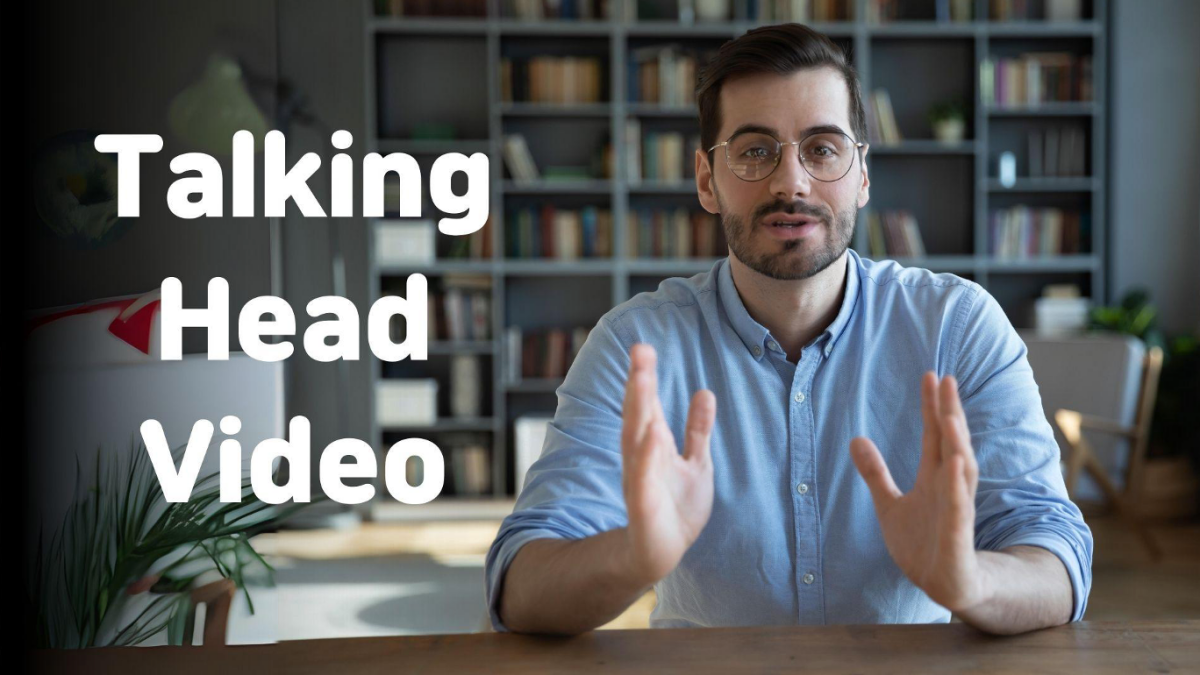
Planning is the bedrock of any successful video, and talking-head videos are no exception. Thorough pre-production ensures your video is clear, engaging, and effectively communicates your message. This section Artikels crucial steps to take before you even think about hitting the record button.
Identifying Your Target Audience and Their Interests
Understanding your audience is paramount. Knowing who you’re talking to dictates everything from your script’s tone to the visual elements you choose.Consider the following:
- Demographics: Age, gender, location, income, education level. Knowing this helps tailor your language and examples. For instance, a video about retirement planning aimed at millennials will differ greatly from one aimed at those nearing retirement.
- Interests: What are your audience’s hobbies, passions, and current concerns? Aligning your content with their interests increases engagement. If you’re teaching a coding tutorial, understanding that your audience likely values problem-solving and practical skills is key.
- Pain Points: What challenges are they facing? Addressing these directly makes your video relevant and valuable. If you’re reviewing a software, knowing the common frustrations users have with similar products allows you to highlight the benefits effectively.
- Goals: What do they hope to achieve? Providing solutions and actionable advice is crucial. If you’re creating a video on personal finance, understanding their goal is to save money, and invest wisely allows you to provide practical tips.
Creating a Compelling Video Script
A well-crafted script is the backbone of a successful talking-head video. It ensures clarity, maintains audience interest, and keeps you on track.Here’s how to write an engaging script:
- Define Your Core Message: What’s the one key takeaway you want your audience to remember? This is your video’s central theme.
- Structure Your Content: Use a clear and logical flow. A common structure includes an introduction, main points (typically 2-4), supporting evidence (examples, statistics, stories), and a conclusion.
- Write in a Conversational Tone: Avoid overly formal language. Imagine you’re talking to a friend. Use contractions and simple sentence structures to maintain a natural flow.
- Use Storytelling: Incorporate anecdotes, case studies, and real-world examples to make your content relatable and memorable. For example, if you’re explaining the benefits of meditation, share a personal story of how it helped you.
- Include Visual Cues: Note where you’ll use B-roll footage, graphics, or other visuals to enhance your message. This ensures the video isn’t just a static talking head.
- Practice and Revise: Read your script aloud to identify awkward phrasing or areas that need clarification. Revise until it flows smoothly and conveys your message effectively.
Formula for a Concise Script:
- Hook: Grab attention immediately.
- Problem/Opportunity: Introduce the topic and why it matters.
- Solution/Benefit: Explain your main points.
- Call to Action: Tell viewers what to do next.
Selecting the Right Location and Background for a Talking-Head Video
Your background can significantly impact your video’s professionalism and visual appeal. A well-chosen location complements your message and helps maintain audience engagement.Here are some key considerations:
- Location: Choose a space that is quiet, well-lit, and visually appealing. Consider a home office, a professional studio, or even a well-maintained outdoor space. Avoid locations with distracting noises or excessive movement.
- Background: Keep it simple and uncluttered. A plain wall, a bookshelf, or a tastefully decorated space works well. Avoid backgrounds that are too busy or distracting.
- Lighting: Ensure adequate lighting. Natural light is ideal, but if unavailable, use artificial lighting. Avoid backlighting, which can create a silhouette effect. Consider using a three-point lighting setup for optimal results (key light, fill light, and backlight).
- Aesthetics: Consider your brand’s colors and style. Incorporate these into your background to create a cohesive look. For instance, a financial advisor might choose a background with a neutral color palette and professional decor.
- Sound: The location should minimize echoes and external noises. Close windows and doors and turn off any devices that may produce sounds.
Design a Checklist for Essential Pre-Production Tasks
A checklist ensures you don’t miss any crucial steps in the pre-production process. It helps keep you organized and streamlines your workflow.Here’s a sample checklist:
| Task | Status | Notes |
|---|---|---|
| Define Target Audience | [ ] Complete | Document demographics, interests, pain points, and goals. |
| Write Video Script | [ ] Complete | Artikel introduction, main points, supporting evidence, and conclusion. |
| Choose Location and Background | [ ] Complete | Select a quiet, well-lit, and visually appealing space. |
| Gather Equipment | [ ] Complete | Camera, microphone, lighting, teleprompter (if needed). |
| Test Equipment | [ ] Complete | Ensure everything works correctly (audio, video, lighting). |
| Plan Visuals (B-roll, Graphics) | [ ] Complete | Identify where and how visuals will be used. |
| Rehearse Script | [ ] Complete | Practice delivery and timing. |
| Create Call to Action | [ ] Complete | Determine what you want viewers to do after watching. |
Essential Equipment for High-Quality Talking Head Videos
Creating engaging talking-head videos requires more than just a good idea; it demands the right equipment. Investing in the correct tools can significantly elevate the production value of your videos, making them more visually appealing and easier to understand. This section will guide you through the essential equipment needed to capture high-quality talking-head content.
Cameras for Talking Head Videos
Choosing the right camera is crucial for the visual quality of your videos. Several options are available, each with its own set of advantages and disadvantages. Consider your budget, technical skills, and the desired level of professionalism when making your selection.
| Camera Type | Cost | Pros | Cons |
|---|---|---|---|
| Webcams | $30 – $200 |
|
|
| Smartphone Cameras | $0 – $1000+ (depending on the phone) |
|
|
| Mirrorless Cameras | $500 – $3000+ (body only) |
|
|
| DSLR Cameras | $500 – $4000+ (body only) |
|
|
Audio Quality Significance and Microphone Recommendations
High-quality audio is just as important as video quality. Viewers are more likely to forgive poor video quality than poor audio quality. Clear, crisp audio ensures your message is easily understood and keeps viewers engaged.Several microphone types are suitable for talking-head videos, each offering different levels of quality and convenience.
- USB Microphones: Easy to set up and connect directly to your computer. Good for beginners. Examples include the Blue Yeti and Rode NT-USB Mini.
- Lavalier Microphones (Lapel Mics): Small and discreet, clipping directly onto your clothing. Ideal for mobility and unobtrusive recording. Examples include the Rode SmartLav+ and Sennheiser EW 100 G4-ME2.
- Shotgun Microphones: Highly directional, focusing on the sound directly in front of the camera. Excellent for isolating your voice and reducing background noise. Examples include the Rode VideoMic Pro+ and Sennheiser MKH 416.
- XLR Microphones: Professional-grade microphones requiring an audio interface to connect to your computer. Offer the highest audio quality and versatility. Examples include the Shure SM7B and Audio-Technica AT2035.
Lighting Setups and Their Impact
Proper lighting is crucial for creating visually appealing videos. It can significantly improve the clarity, mood, and professionalism of your content.Here are some common lighting setups:
- Three-Point Lighting: The industry standard. Uses three lights: a key light (main light), a fill light (softens shadows), and a backlight (separates the subject from the background). This setup creates a balanced and professional look.
- Two-Point Lighting: Simplifies three-point lighting by using a key light and a fill light. Works well for basic setups and limited space.
- One-Point Lighting: Uses a single light source, often a window or a softbox. Can create a dramatic look with strong shadows.
Consider the following when choosing your lighting equipment:
- Softboxes: Diffuse the light, creating a softer and more flattering look.
- Umbrellas: Reflect light, creating a softer and more even light spread.
- LED Panels: Energy-efficient and adjustable in brightness and color temperature.
- Ring Lights: Provide even illumination and can create a halo effect around the subject’s face.
Choosing a Suitable Backdrop or Background
The backdrop or background significantly impacts the overall aesthetic of your videos. A clean and uncluttered background helps viewers focus on you and your message.Consider these options:
- Plain Wall: Simple, clean, and versatile. Ensure the wall is a neutral color like white, gray, or a muted tone.
- Fabric Backdrop: Affordable and easy to set up. Available in various colors and textures. Examples include muslin backdrops or seamless paper rolls.
- Environmental Background: Use your existing environment, such as a bookshelf or a well-designed room. Ensure the background is tidy and doesn’t distract from the subject.
- Digital Background: Use a green screen to replace the background with an image or video. Requires a green screen and editing software. This option provides the most flexibility but requires more technical expertise.
Filming Techniques for Engaging Talking Head Videos
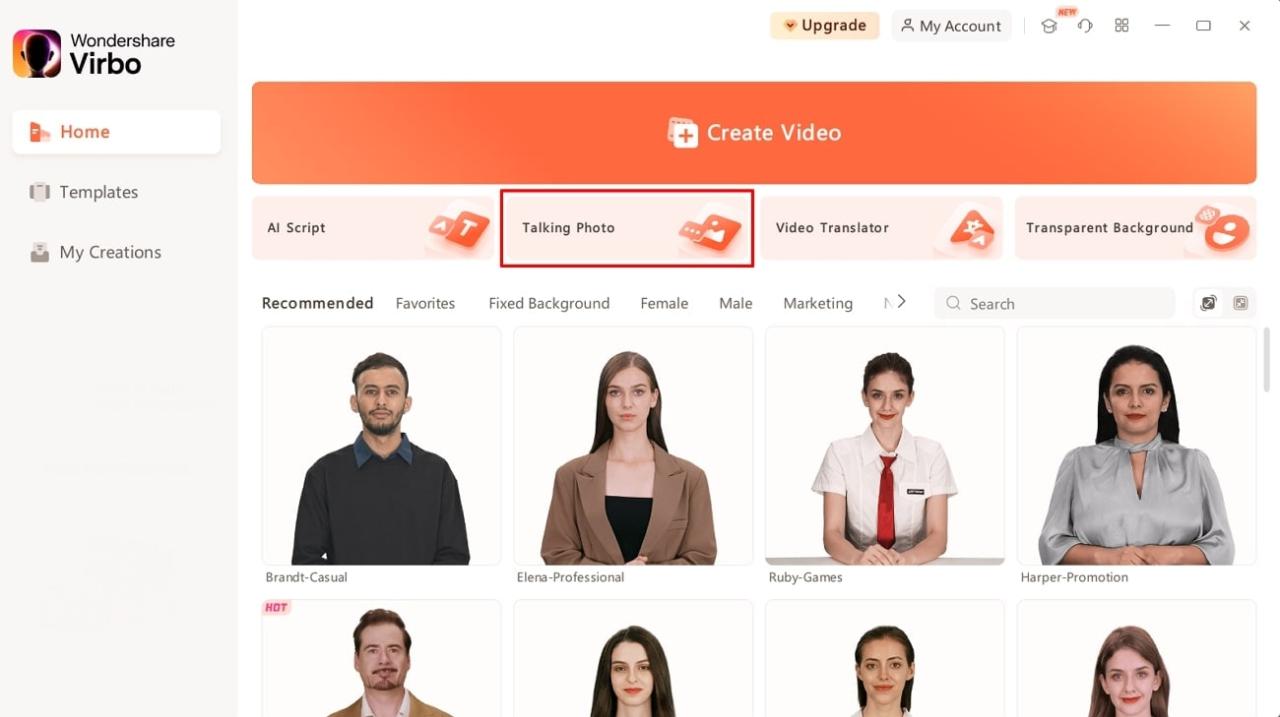
Creating captivating talking-head videos hinges on mastering specific filming techniques. This section delves into camera angles, on-screen presence, message delivery, pacing, and body language to help you produce videos that resonate with your audience. By applying these techniques, you can significantly boost viewer engagement and create a more impactful experience.
Camera Angles and Viewer Engagement
Camera angles profoundly influence how viewers perceive your message. Experimenting with different angles can add visual interest and impact.
- Eye-Level Angle: This is the most common and natural angle, simulating a face-to-face conversation. Place the camera at your eye level. This angle creates a sense of directness and authenticity.
- High Angle: Filming from above, looking down at the subject, can make you appear smaller and more vulnerable. This can be used strategically to convey humility or to make the subject appear less threatening. For example, a high angle might be used in a video about a difficult personal experience.
- Low Angle: Filming from below, looking up at the subject, can make you appear more powerful, authoritative, or imposing. This angle can be used to create a sense of importance or drama. This is often used for interviews with influential figures.
- Dutch Angle (or Tilt Angle): Tilting the camera off-axis creates a sense of unease, disorientation, or instability. Use this sparingly, as it can be distracting if overused. This angle is often employed to suggest a character’s internal turmoil or a moment of high tension.
- Angle Variations and Framing: Beyond the basic angles, consider variations like a close-up to focus on your face and emotions, a medium shot to show your upper body and gestures, or a wide shot to establish your environment.
Maintaining Eye Contact and On-Screen Presence
Eye contact and a natural on-screen presence are crucial for building trust and connecting with your audience.
- Look Directly at the Camera: Imagine the camera lens as your audience. Make direct eye contact to create a sense of connection. Avoid looking at the screen, the floor, or off to the side for extended periods.
- Practice and Preparation: The more comfortable you are with your material, the easier it will be to maintain eye contact. Practice your script or talking points beforehand. This helps reduce the need to look away to recall information.
- Use a Teleprompter (Optional): A teleprompter can help you maintain eye contact while reading a script. However, make sure your delivery is still natural and conversational.
- Breathe and Relax: Take deep breaths to calm your nerves and appear more relaxed on camera. A relaxed demeanor makes you more approachable.
- Engage with Your Subject Matter: Show genuine enthusiasm for what you are talking about. Your passion will be contagious.
Delivering a Clear and Concise Message
A clear and concise message ensures your audience understands your points.
- Plan Your Content: Before filming, Artikel your key points. Structure your video with a clear introduction, body, and conclusion.
- Write a Script or Artikel: Prepare a script or detailed Artikel to guide your talking points. This helps you stay focused and organized.
- Use Simple Language: Avoid jargon or complex terminology that might confuse your audience. Speak in a way that is easy to understand.
- Break Down Complex Ideas: If you need to explain complex topics, break them down into smaller, more digestible segments. Use examples and analogies to clarify your points.
- Edit Ruthlessly: Remove any unnecessary words, phrases, or tangents. A well-edited video is more engaging.
Managing Pacing and Avoiding Mistakes
Pacing and the ability to avoid common mistakes are important elements of effective talking-head videos.
- Vary Your Pace: Don’t speak too quickly or too slowly. Vary your pace to keep your audience engaged. Pause for emphasis and to allow your audience to process information.
- Embrace Pauses: Strategic pauses can add emphasis and allow your audience to absorb information.
- Avoid Fillers: Minimize the use of filler words like “um,” “ah,” and “like.” Practice and preparation can help reduce these.
- Correct Mistakes Gracefully: If you make a mistake, don’t panic. You can either edit it out or correct yourself and move on.
- Review and Edit: Always review your footage and edit out any mistakes, awkward pauses, or unnecessary content.
Effective Body Language in Talking-Head Videos
Body language significantly influences how your message is received. Here are some tips for effective body language:
- Posture: Sit or stand up straight. Good posture conveys confidence and authority. Avoid slouching.
- Gestures: Use natural hand gestures to emphasize your points. Avoid stiff or overly dramatic gestures.
- Facial Expressions: Let your facial expressions reflect the content of your message. Smile when appropriate, and show emotion.
- Head Movements: Nod occasionally to show agreement or emphasize a point. Avoid excessive head bobbing, which can be distracting.
- Environment: Consider your surroundings. Ensure that the background is clean and uncluttered.
- Movement: Limit excessive movement. Avoid pacing or fidgeting.
Sound Design and Music in Talking Head Videos

Creating compelling talking-head videos involves more than just a clear picture; excellent audio and strategic use of music are crucial for viewer engagement and retention. A well-crafted soundscape can significantly enhance the viewing experience, making your content more professional and enjoyable. This section focuses on how to master sound design and music integration in your talking-head videos.
Achieving Clear Audio in Post-Production
Clear audio is paramount for the success of any talking-head video. Viewers are far more likely to forgive a slightly imperfect visual than they are to tolerate poor audio quality. Post-production offers several tools to refine your audio and ensure clarity.
- Noise Reduction: This process removes unwanted background sounds such as hums, hisses, or room noise. Most video editing software includes built-in noise reduction tools. Experiment with different settings to find the optimal balance between noise removal and preserving the natural sound of your voice. For example, using a noise reduction setting that is too aggressive can result in a “robotic” or unnatural sound.
- Equalization (EQ): EQ allows you to adjust the frequencies of your audio. This can be used to boost or cut specific frequencies to improve clarity and reduce muddiness. For instance, you might use EQ to reduce low-frequency rumble or boost higher frequencies to enhance vocal presence.
- Compression: Compression evens out the dynamic range of your audio, making the quiet parts louder and the loud parts quieter. This ensures a consistent volume level throughout your video. This is particularly helpful if your voice fluctuates in volume.
- De-essing: This tool reduces harsh “s” sounds (sibilance) that can be distracting. De-essing targets specific frequencies where these sounds reside, smoothing them out without affecting the overall audio quality.
- Volume Leveling: Ensuring consistent audio levels throughout your video prevents abrupt changes in volume that can be jarring for viewers. Aim for a consistent loudness level, typically measured in LUFS (Loudness Units relative to Full Scale). Most editing software allows you to normalize your audio to a specific LUFS value.
Using Background Music Effectively
Background music can significantly enhance the emotional impact and engagement of your talking-head videos. However, it’s essential to use it strategically to avoid distracting from your primary message.
- Choose Music That Complements Your Content: The music should align with the tone and subject matter of your video. For example, use upbeat, motivational music for videos about success or personal development, and more subdued, ambient music for videos about meditation or relaxation.
- Keep the Music Subdued: The background music should support your voice, not compete with it. Adjust the music volume so that it’s noticeable but doesn’t overpower your speech. A good starting point is to keep the music level approximately -20 to -30 dB below your voice level.
- Use Music for Transitions and Emphasis: Music can be used effectively during transitions between different sections of your video or to emphasize key points. Consider using a short musical sting or a crescendo to draw attention to important information.
- Consider the Music’s Mood and Tempo: The tempo and mood of the music should match the overall tone of your video. Avoid using music that is overly complex or distracting. Simple, instrumental tracks often work best.
- Use Royalty-Free Music: To avoid copyright issues, always use royalty-free music. Ensure you understand the licensing terms of the music you use.
Adjusting Audio Levels and Removing Background Noise
Proper audio levels and noise reduction are critical for a professional-sounding talking-head video. Mastering these techniques will significantly improve the listening experience for your audience.
- Monitoring Audio Levels During Recording: Before you start recording, monitor your audio levels to ensure they are within an acceptable range. Aim for your voice to peak around -6 to -12 dBFS (Decibels relative to Full Scale) on your recording device. This leaves headroom for editing and prevents clipping (distortion).
- Using Noise Reduction Tools: Most video editing software includes built-in noise reduction tools. Experiment with these tools to effectively eliminate unwanted background noise. However, be careful not to over-process the audio, as this can make your voice sound unnatural.
- Adjusting Music Levels: When incorporating background music, adjust its volume so it doesn’t overpower your voice. Use keyframes in your editing software to lower the music volume during speaking and raise it during pauses or transitions.
- Using a Noise Gate: A noise gate automatically silences the audio when the signal drops below a certain threshold. This can be helpful in removing background noise, but it should be used carefully to avoid cutting off the beginning or end of words.
- Isolating Your Voice: When recording, try to minimize background noise by recording in a quiet environment. Use a directional microphone to focus on your voice and reduce the pickup of ambient sounds.
Using Sound Effects to Enhance Viewer Engagement
Sound effects can be a powerful tool for enhancing viewer engagement in your talking-head videos. When used appropriately, they can add emphasis, humor, and create a more immersive experience.
- Use Sound Effects to Emphasize Key Points: Sound effects can be used to punctuate important information or add emphasis to a specific point. For example, you might use a “ding” sound effect when you introduce a key takeaway.
- Add Humor and Personality: Sound effects can add a touch of humor or personality to your videos. Consider using sound effects to illustrate a joke or add a playful element to your content.
- Create Transitions: Sound effects can be used to transition between different sections of your video. For example, you might use a “swoosh” sound effect to transition from one topic to another.
- Enhance Visuals: Use sound effects to complement the visuals in your video. For example, if you are showing a video of someone typing on a keyboard, you could add a keyboard typing sound effect.
- Keep it Subtle: Sound effects should be used sparingly and subtly. Overusing sound effects can be distracting and detract from your message.
Finding Royalty-Free Music Resources
Finding royalty-free music is essential for avoiding copyright issues and ensuring you can legally use music in your talking-head videos. Numerous websites offer a vast selection of music tracks.
- Epidemic Sound: Epidemic Sound is a subscription-based service offering a vast library of high-quality music and sound effects. The license is very user-friendly, allowing you to use the music in your videos across multiple platforms. They offer a wide variety of genres, making it easy to find music that fits your content.
- Artlist: Artlist is another subscription-based platform that provides royalty-free music and sound effects. It offers a curated collection of tracks, and its licensing is straightforward, allowing you to use the music in your videos without worrying about copyright claims. Artlist focuses on high-quality, professionally produced music.
- YouTube Audio Library: YouTube provides a free audio library with a wide range of royalty-free music and sound effects. It is easy to use and offers a variety of genres and moods. However, the selection is not as extensive as some paid services.
- Free Music Archive (FMA): FMA offers a large collection of royalty-free music, with licenses ranging from Creative Commons to commercial use. It is a good resource for finding a diverse range of music. Make sure to carefully review the license terms for each track.
- AudioJungle: AudioJungle, part of Envato Market, provides a vast library of royalty-free music tracks and sound effects. You can purchase individual tracks or subscribe for access to a larger library. The selection is very diverse, but the licensing terms can vary depending on the track.
Structuring Your Content for Maximum Impact
Creating engaging talking-head videos is as much about how you structure your content as it is about your delivery. A well-structured video keeps viewers hooked, conveys your message clearly, and increases the likelihood of them watching until the end. This section focuses on building a solid foundation for your video content, ensuring it resonates with your audience.
Importance of Introduction and Conclusion
The introduction and conclusion are crucial elements of any talking-head video. The introduction sets the stage, while the conclusion provides a lasting impression. A strong introduction immediately grabs the viewer’s attention, clearly stating the video’s topic and what the viewer will gain. The conclusion summarizes key takeaways and reinforces the main message.
Methods for Creating a Compelling Hook
Grabbing a viewer’s attention within the first few seconds is paramount. Several techniques can be employed to create a compelling hook:
- Ask a provocative question: Start with a question that sparks curiosity and immediately engages the viewer. For example, “Are you tired of [common problem]?”
- Share a surprising statistic: Present a compelling statistic related to your topic to immediately grab attention. For instance, “Did you know that [statistic related to your topic]?”
- Tell a brief, relevant story: A short, relatable anecdote can quickly connect with the audience.
- Use a bold statement: Make a strong, attention-grabbing statement that encapsulates your video’s core message. For example, “This is the single biggest mistake people make when [related to your topic].”
- Show a visually interesting clip: If applicable, include a short, engaging visual that relates to the video’s content, such as a quick animation or a brief demonstration.
Strategies for Organizing Information Logically and Concisely
A well-organized video is easier to follow and more impactful. Structure your content logically and concisely using these strategies:
- Artikel your content: Before filming, create a detailed Artikel of your video, including all key points and their order.
- Use clear headings and subheadings: Divide your content into logical sections, each with a clear heading or subheading. This helps viewers understand the structure and navigate the video.
- Keep it concise: Avoid unnecessary jargon or complex language. Get to the point quickly and efficiently.
- Use transitions: Employ smooth transitions between sections to maintain flow and keep the viewer engaged. Consider using visual cues or brief summaries.
- Focus on one main idea per segment: Each segment should address a single, focused idea. This prevents information overload and makes it easier for viewers to retain information.
Use of Storytelling Techniques
Storytelling can make your talking-head videos more engaging and memorable. Here’s how to integrate storytelling:
- Share personal experiences: Relate your content to your own experiences, illustrating your points with real-world examples.
- Create relatable characters: Use examples of fictional characters or real-life individuals to illustrate your points and make them more engaging.
- Structure your content like a story: Incorporate the elements of a story, such as a beginning, a middle (the main content), and an end (the conclusion).
- Use conflict and resolution: If appropriate, present a problem (conflict) and then provide a solution (resolution).
- Focus on the emotional impact: Aim to connect with your audience on an emotional level. This makes your video more memorable and relatable.
Common Video Structures
Several established structures can be used for talking-head videos. Here are some common examples:
- Problem/Solution: Identifies a problem and offers a solution. This is effective for tutorials, product demonstrations, and advice videos.
- Listicle: Presents information in a numbered or bulleted list format. Great for “top 10” videos, “5 tips for…” videos, and similar content.
- How-to/Tutorial: Provides step-by-step instructions on how to do something. These videos are ideal for demonstrating skills or processes.
- Explanation/Explainer: Explains a concept or topic in detail. Suitable for complex topics that need to be broken down into digestible segments.
- Comparison: Compares two or more things, highlighting their similarities and differences. This structure works well for product reviews or comparing different options.
- Review: Evaluates a product, service, or concept, offering your opinion and insights. This can include pros, cons, and a final recommendation.
- Q&A: Answers questions from your audience or frequently asked questions (FAQs). A great way to address viewer concerns and provide valuable information.
Overcoming Common Challenges in Talking Head Video Production
Creating engaging talking head videos can be incredibly rewarding, but it’s not without its hurdles. From battling camera shyness to troubleshooting technical glitches and navigating feedback, there are several common challenges that can test even the most seasoned video creators. This section focuses on equipping you with the knowledge and strategies to overcome these obstacles and create compelling video content with confidence.
Camera Shyness and On-Screen Confidence
Many people experience camera shyness, which can manifest as nervousness, awkwardness, or a tendency to stumble over words. Building confidence is key to delivering a natural and engaging performance.
- Practice, Practice, Practice: The more you practice speaking on camera, the more comfortable you’ll become. Record yourself frequently, even if it’s just for short practice sessions. This allows you to identify areas for improvement and get used to seeing yourself on screen.
- Prepare Thoroughly: Knowing your content inside and out is crucial. Create a detailed script or Artikel to guide your presentation. This will help you feel more in control and less likely to blank out.
- Visualize Success: Before filming, take a few moments to visualize yourself delivering a confident and engaging performance. This mental rehearsal can significantly boost your self-assurance.
- Start Small: Begin with shorter videos and gradually increase the length as your confidence grows. Breaking down the process into manageable chunks makes it less daunting.
- Focus on Connection: Remember that you’re talking to a real audience. Imagine you’re having a conversation with a friend or colleague. This can help you relax and be more authentic.
- Embrace Imperfection: Don’t strive for perfection. Embrace your natural personality and allow for minor mistakes. Authenticity often resonates more with viewers than flawless delivery.
- Seek Feedback: Ask trusted friends, family, or colleagues for constructive criticism on your performance. Their feedback can help you identify areas for improvement and boost your confidence.
- Use Positive Self-Talk: Replace negative thoughts with positive affirmations. Remind yourself of your strengths and accomplishments. This can significantly impact your self-perception.
Dealing with Technical Difficulties During Filming
Technical issues can disrupt the flow of filming and cause frustration. Having a plan in place to address these challenges can save time and prevent major setbacks.
- Prepare Equipment: Before each shoot, ensure all equipment is functioning correctly. Check your camera, microphone, lighting, and any other accessories.
- Test Your Setup: Conduct a test recording to verify that your audio and video quality are acceptable. This will help you identify any potential problems before you start filming.
- Have Backup Equipment: Consider having backup equipment on hand, such as an extra microphone, camera, or SD card, in case of emergencies.
- Troubleshoot Common Issues: Learn to identify and resolve common technical problems. For example, if your audio is distorted, check your microphone levels and connections. If your video is blurry, adjust your focus settings.
- Pause and Reset: If a technical issue arises during filming, don’t panic. Pause the recording, address the problem, and then resume filming. You can always edit out any glitches later.
- Save Frequently: If you’re using software to record or edit your video, save your work frequently to prevent data loss.
- Consult Tutorials: Utilize online tutorials and resources to troubleshoot technical problems. Many websites and YouTube channels offer step-by-step guides for resolving common issues.
- Document Your Problems: Keep a log of technical issues you encounter, along with the solutions you found. This will help you learn from your mistakes and prepare for future challenges.
Managing Time and Staying Organized During Production
Effective time management and organization are essential for a smooth and efficient video production process.
- Create a Production Schedule: Develop a detailed production schedule that Artikels all the tasks involved in creating your video, from pre-production to post-production.
- Break Down Tasks: Break down large tasks into smaller, more manageable steps. This makes the overall process less overwhelming and easier to track.
- Set Realistic Deadlines: Set realistic deadlines for each task, considering the complexity of the video and your available time.
- Prioritize Tasks: Prioritize tasks based on their importance and urgency. Focus on completing the most critical tasks first.
- Use Project Management Tools: Utilize project management tools, such as Trello or Asana, to organize your tasks, track progress, and collaborate with others.
- Batch Your Work: Group similar tasks together to improve efficiency. For example, record all your video segments in one session and edit them later.
- Minimize Distractions: Create a dedicated workspace free from distractions. Turn off notifications, silence your phone, and inform others that you need uninterrupted time.
- Review and Adjust: Regularly review your production schedule and make adjustments as needed. Be flexible and adapt to unforeseen circumstances.
Handling Criticism and Feedback
Receiving criticism can be challenging, but it’s a valuable opportunity for growth and improvement.
- Be Open to Feedback: Approach feedback with an open mind and a willingness to learn. View criticism as a chance to refine your skills and improve your videos.
- Listen Carefully: Pay close attention to the feedback you receive. Understand the specific points the critic is making and the reasons behind their observations.
- Ask Clarifying Questions: If you’re unsure about any aspect of the feedback, ask clarifying questions to gain a better understanding.
- Don’t Take it Personally: Remember that feedback is about your work, not about you as a person. Avoid taking criticism personally.
- Filter Constructive Criticism: Distinguish between constructive criticism and negative comments. Focus on the feedback that provides specific suggestions for improvement.
- Evaluate the Source: Consider the source of the feedback. Is the person qualified to offer advice on the topic? Are their comments relevant and helpful?
- Implement Changes Strategically: Don’t try to implement every suggestion at once. Prioritize the feedback that aligns with your goals and will have the greatest impact.
- Learn from Your Mistakes: Use feedback to identify areas where you can improve. Learn from your mistakes and apply those lessons to future videos.
Solutions for Common Video Production Problems
This bullet-point list provides solutions for common problems that can arise during video production.
- Poor Audio Quality:
- Use an external microphone.
- Record in a quiet environment.
- Adjust microphone levels.
- Eliminate background noise.
- Bad Lighting:
- Use natural light whenever possible.
- Invest in lighting equipment (softboxes, ring lights).
- Position your subject properly.
- Adjust lighting levels.
- Unstable Video:
- Use a tripod.
- Stabilize your camera.
- Adjust camera settings for smooth video.
- Awkward Delivery:
- Practice your script or Artikel.
- Record multiple takes.
- Focus on speaking naturally.
- Use editing to improve flow.
- Lack of Engagement:
- Vary your content.
- Use visuals.
- Add music and sound effects.
- Maintain a conversational tone.
- Technical Glitches:
- Test your equipment before filming.
- Have backup equipment.
- Troubleshoot common issues.
- Save your work frequently.
- Time Management Issues:
- Create a production schedule.
- Break down tasks.
- Set realistic deadlines.
- Prioritize tasks.
- Dealing with Criticism:
- Be open to feedback.
- Listen carefully.
- Ask clarifying questions.
- Filter constructive criticism.
Advanced Techniques for Engaging Talking Head Videos

Taking your talking head videos from good to great involves implementing advanced techniques that elevate your storytelling and captivate your audience. This section delves into strategies to infuse dynamism and polish into your content, ensuring viewers stay hooked from beginning to end.
Using B-roll Footage to Enhance Videos
B-roll footage, also known as secondary footage, is the non-primary footage used to visually support the main subject. It provides context, adds visual interest, and breaks up the monotony of a static talking head.
- Show, Don’t Just Tell: B-roll allows you to illustrate concepts directly. For example, if you’re explaining how to bake a cake, show footage of ingredients being measured, mixed, and the final product. This makes the information more memorable and easier to understand.
- Establish Location and Context: Use B-roll to set the scene. If you’re discussing a travel destination, include footage of landmarks, local culture, and activities to transport the viewer.
- Maintain Viewer Engagement: Consistent changes in visuals prevent boredom. Strategic B-roll placement, such as during pauses or when explaining a complex point, keeps the audience engaged.
- Illustrate Abstract Concepts: When discussing abstract ideas, B-roll can provide visual metaphors. For instance, explaining “growth” could be paired with time-lapse footage of a plant sprouting or a business expanding.
- Create Emotional Connection: B-roll can evoke emotions. Footage of happy people, beautiful scenery, or poignant moments can enhance the emotional impact of your message.
Incorporating Graphics and Animations
Graphics and animations can significantly improve the clarity and visual appeal of your talking head videos. They provide a dynamic way to present information and break up the monotony.
- Explain Complex Data: Use charts, graphs, and infographics to visualize complex data. This makes information easier to digest and more engaging than simply stating numbers. For example, a video about sales growth could use a line graph to illustrate the trend.
- Highlight Key Points: Animated text, callouts, and annotations can draw attention to important information. These elements can emphasize key takeaways or direct the viewer’s focus.
- Introduce and Summarize: Opening titles, lower thirds with names and titles, and end screens with calls to action are essential for professionalism and branding.
- Illustrate Processes and Concepts: Animated diagrams and simulations can effectively demonstrate processes or explain abstract concepts. For example, a video explaining how a car engine works could use an animated cutaway view.
- Enhance Branding: Incorporate your logo, brand colors, and consistent graphic styles to reinforce brand identity and professionalism.
Strategies for Using Transitions Effectively
Transitions are the visual effects that move between different shots in a video. When used strategically, transitions can enhance the flow, pace, and overall impact of your video.
- Smooth Transitions: Use dissolves and crossfades to create a seamless flow between shots. This is particularly useful for transitioning between related ideas or segments.
- Cutting on Action: Cut during movement within a shot to maintain momentum. This technique creates a natural and engaging transition. For example, if someone is reaching for something, cut the shot as their hand moves towards the object.
- Match Cuts: Connect two shots by matching the visual elements. This could be the shape, color, or movement in each shot, creating a visually pleasing and coherent transition.
- Jump Cuts with Purpose: Jump cuts can be used to speed up the pacing, but use them cautiously. They are most effective when skipping redundant information or when conveying a sense of urgency.
- Use Transitions to Indicate Time and Place: Transitions like wipes or fades to black can be used to signal changes in time, location, or scene.
Elaborating on the Use of Visual Storytelling Techniques
Visual storytelling uses images and visual elements to convey a narrative, evoke emotions, and engage the audience. It’s more than just showing; it’s about crafting a compelling visual experience.
- Create a Visual Narrative: Structure your video like a story. Begin with an introduction, develop a conflict or problem, offer a solution, and end with a resolution. Use visuals to support this narrative.
- Establish a Tone: The visuals you choose set the tone. Use bright, uplifting colors and imagery for positive messages, and darker tones for serious or dramatic content.
- Use Close-ups and Wide Shots: Varying the shot sizes adds visual interest and emphasizes different aspects of the subject. Close-ups can reveal emotion, while wide shots establish the environment.
- Employ the Rule of Thirds: Frame your shots using the rule of thirds to create visually balanced and appealing compositions. Place key elements along the lines or at the intersections.
- Show, Don’t Tell (Again): Use visuals to communicate information instead of just stating it. If discussing a problem, show the problem visually; if discussing a solution, demonstrate it visually.
Transition Types and Their Effects
Here is a list of different transition types and their effects.
- Cut: The most basic transition. It’s an instant switch from one shot to the next. Effect: Creates a sense of immediacy and directness.
- Dissolve/Crossfade: One shot gradually fades into another. Effect: Creates a smooth, gentle transition, often used to indicate a passage of time or a change in location.
- Fade: A shot gradually fades to black or white (or another color) and then fades in from the same color. Effect: Indicates a significant change, such as the beginning or end of a scene or video.
- Wipe: One shot is replaced by another with a geometric shape or line that “wipes” across the screen. Effect: Can add a dynamic and stylized effect, often used to create a sense of movement or energy.
- Zoom: The camera appears to move closer or further away from the subject. Effect: Can be used to emphasize a particular detail or create a sense of drama.
- Push/Slide: One shot slides off-screen as the next shot slides on. Effect: Creates a sense of movement and direction.
- Iris: A circular shape expands or contracts to reveal or conceal a shot. Effect: Adds a vintage or stylized effect, often used for transitions in older films or to focus attention on a specific area.
Examples and Case Studies
Understanding successful talking-head videos allows you to learn from the best, identifying what makes them engaging and effective. By analyzing these examples, you can refine your own video production strategies. This section will dissect several case studies, highlighting their strengths and providing strategies to apply these lessons to your content.
Analyzing the Success of Talking-Head Videos
The success of a talking-head video is multifaceted and can be evaluated through several key metrics and qualitative observations. Analyzing these elements helps determine what resonates with the audience and what can be improved.
- View Duration: The amount of time viewers spend watching your video is a primary indicator of engagement. Higher view durations suggest that the content is captivating and holds the audience’s attention.
- Audience Retention: This metric shows the percentage of viewers who stay until specific points in the video. Drops in retention can highlight sections that are less engaging or where the content strays from the viewer’s expectations.
- Click-Through Rates (CTR): For videos with calls to action, the CTR on links or annotations indicates how effectively the video prompts viewers to take further action, such as visiting a website or subscribing.
- Comments and Social Shares: Positive comments, shares, and likes demonstrate that the content is well-received and encourages discussion. The sentiment of the comments (positive, negative, or neutral) offers valuable feedback.
- Subscriber Growth: If the video aims to attract new subscribers, tracking the subscriber growth rate after the video’s release is a significant measure of its success.
- Ranking: For videos optimized for search engines, monitoring rankings helps gauge the video’s visibility and reach.
Strategies to Analyze Video Content for Engagement
Beyond metrics, analyzing the content itself is critical to understand what makes a video engaging. This involves a detailed examination of various elements.
- Content Structure: Evaluate the flow of information. Is the content logically organized, easy to follow, and does it maintain viewer interest throughout?
- Delivery Style: Assess the speaker’s charisma, energy, and clarity. Is the speaker engaging, enthusiastic, and articulate? Consider how the speaker uses body language, tone of voice, and pacing.
- Visual Appeal: Review the video’s visual elements, including the background, lighting, and camera angles. Are they visually appealing and do they enhance the content?
- Editing Techniques: Analyze the editing, including cuts, transitions, and graphics. Do these elements support the content without distracting from it?
- Sound Quality: Examine the audio clarity and whether the music and sound effects complement the content.
- Call to Action: Assess the effectiveness of the calls to action. Are they clear, concise, and relevant to the video’s goals?
Best Practices for Various Video Styles
Different talking-head video styles require distinct approaches to maximize their impact. Adapting your strategy to the specific format enhances engagement.
- Interviews:
- Preparation is key. Thorough research on the interviewee and the topic ensures insightful questions and relevant discussion.
- Active listening and follow-up questions maintain the flow of the conversation and draw out compelling information.
- Ensure good audio quality by using high-quality microphones and monitoring sound levels.
- Tutorials:
- Break down complex topics into easy-to-understand steps.
- Use visuals such as screen recordings, diagrams, and close-ups to clarify the steps.
- Provide clear, concise instructions and avoid jargon.
- Educational Videos:
- Use storytelling to make the content relatable and memorable.
- Incorporate visual aids such as graphics, animations, and real-world examples to illustrate concepts.
- Structure the content logically, building from basic concepts to more complex ideas.
- Product Reviews:
- Be objective and provide a balanced perspective, highlighting both pros and cons.
- Demonstrate the product in action, showing its features and functionalities.
- Include real-world examples and comparisons to other products.
Successful Talking-Head Video Examples
Example 1: Interview – “The Tim Ferriss Show”
Strengths:
- Thorough Research: Tim Ferriss’s detailed preparation allows for in-depth, insightful questions that go beyond surface-level topics.
- Active Listening: Ferriss actively listens and uses follow-up questions to delve deeper into the guest’s experiences and insights.
- Conversational Tone: The conversational style creates a relaxed atmosphere, encouraging the guest to share more freely and allowing for a more engaging viewing experience.
Example 2: Tutorial – “Khan Academy” (Various Tutorials)
Strengths:
- Step-by-Step Instructions: Complex topics are broken down into simple, easy-to-follow steps.
- Visual Aids: Clear diagrams, animations, and screen recordings enhance understanding.
- Concise Language: Jargon is minimized, making the content accessible to a wide audience.
Example 3: Educational Video – “Crash Course” (Various Topics)
Strengths:
- Storytelling: Topics are presented in a narrative format, making them more engaging and memorable.
- Visual Aids: Animated graphics and illustrations help visualize complex concepts.
- Fast-Paced Editing: Quick cuts and dynamic visuals keep viewers engaged.
Concluding Remarks
In conclusion, mastering the art of filming engaging talking-head style videos is achievable with the right knowledge and techniques. By focusing on pre-production, utilizing quality equipment, employing effective filming strategies, and refining your video through post-production, you can create content that not only informs but also captivates and inspires. Armed with the insights provided, you’re now well-equipped to elevate your video production skills and connect with your audience on a deeper level.
Go forth and create!